Triethanolamine
Triethanolamine is a synthetic buffer used in dietary supplements. Safety rating: Caution. Some individuals may want to exercise caution — consult a healthcare provider if concerned. Found in 1 supplement in the GoodSupp database. Triethanolamine is an organic compound used as a pH adjuster.
What is Triethanolamine?
Triethanolamine is an organic compound used as a pH adjuster.
Why is Triethanolamine used in supplements?
It is used to adjust the pH of a product.
Should you be concerned about Triethanolamine?
Worth noting. Triethanolamine has some considerations that certain consumers should be aware of, though it is used widely in the supplement industry.
May cause skin irritation in some individuals.
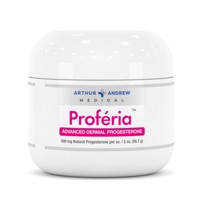
Is Triethanolamine safe in supplements?
Triethanolamine carries a caution rating in supplements. While it is widely used in the industry, there are some considerations consumers should be aware of. This doesn't necessarily mean it's dangerous, but rather that certain populations (such as pregnant women, children, or people with specific health conditions) may want to exercise extra care. May cause skin irritation in some individuals. In GoodSupp's database, 1 products contain this ingredient. Consult your healthcare provider if you have specific concerns.
What is Triethanolamine and why is it in my supplement?
Triethanolamine is an organic compound used as a pH adjuster. It appears in 1 products in the GoodSupp database.
Is Triethanolamine natural or synthetic?
Triethanolamine is synthetically produced, meaning it is manufactured through chemical processes rather than directly extracted from natural sources. Synthetic ingredients are extremely common in supplements and are not inherently less safe than natural alternatives. In many cases, synthetic production allows for higher purity and more consistent quality. The FDA regulates both natural and synthetic supplement ingredients under the same safety standards. GoodSupp rates ingredients based on their actual safety data regardless of whether they're natural or synthetic.
How many grams of creatine in a teaspoon?
This is an important question for supplement consumers. The dietary supplement industry is largely self-regulated, which means product quality, ingredient transparency, and safety practices vary significantly between brands and products. The most reliable way to evaluate any supplement is to check for third-party testing certifications, review the full ingredient list and dosages, and research the brand's regulatory track record. GoodSupp's database of over 250,000 analyzed products provides independent quality scores, ingredient safety ratings, and brand trust reports to help you make evidence-based decisions.
Check Any Supplement's Ingredients
Scan a barcode with GoodSupp to instantly see safety ratings for every ingredient.