Ascorbic Acid (Vit. C)
Ascorbic Acid (Vit. C) is a synthetic other used in dietary supplements. Safety rating: Safe. It is widely considered safe at typical supplement doses. Found in 20 supplements in the GoodSupp database. Ascorbic acid is a form of vitamin C.
What is Ascorbic Acid (Vit. C)?
Ascorbic acid is a form of vitamin C.
Why is Ascorbic Acid (Vit. C) used in supplements?
It is included as a source of vitamin C.
Should you be concerned about Ascorbic Acid (Vit. C)?
No. Ascorbic Acid (Vit. C) is widely regarded as safe for use in dietary supplements at typical levels. It has a long history of use and is accepted by major regulatory bodies.
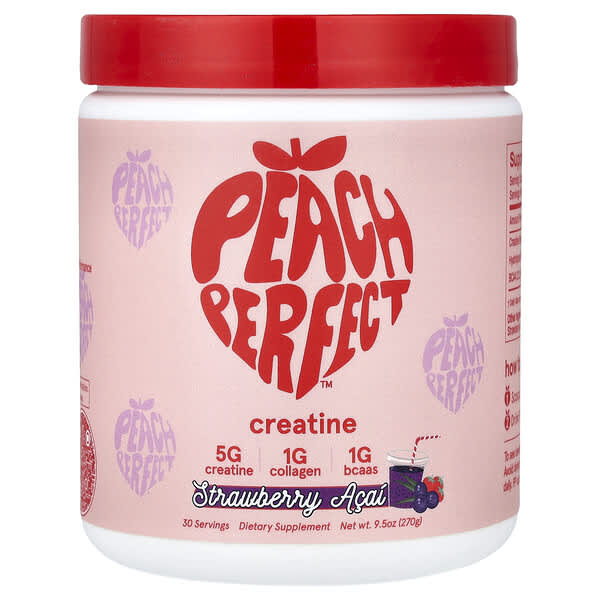
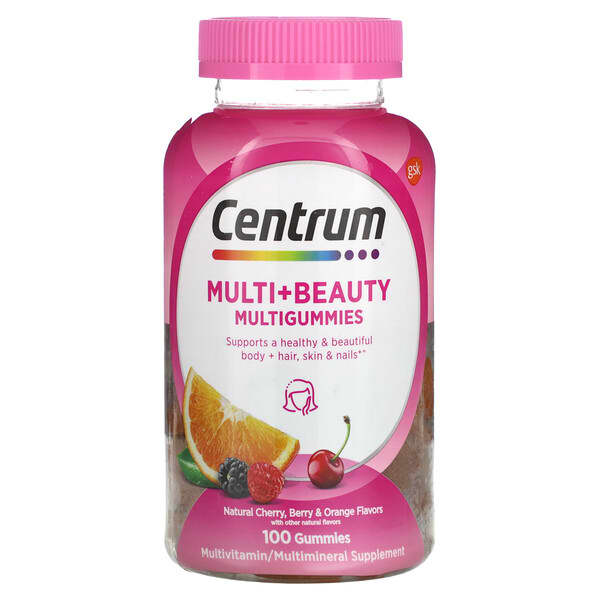
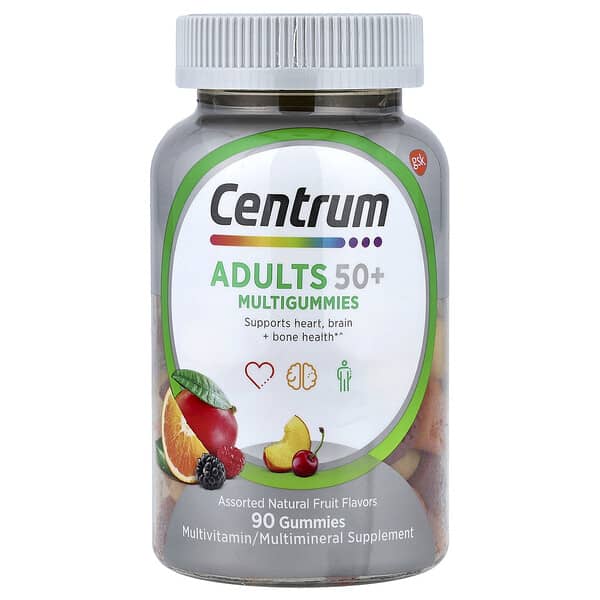
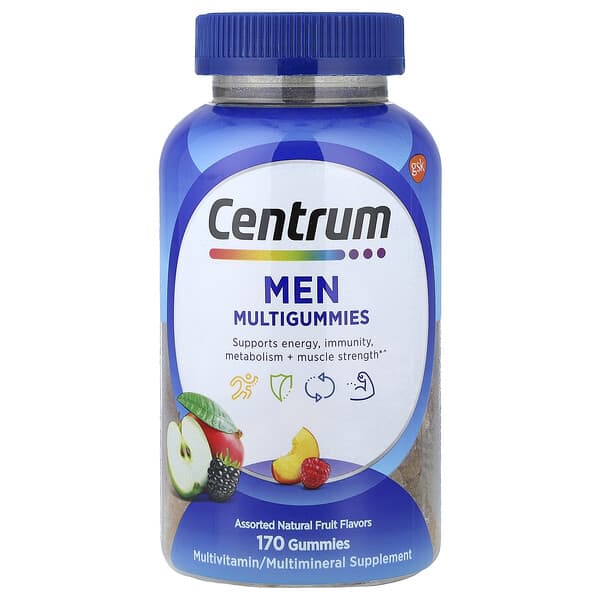
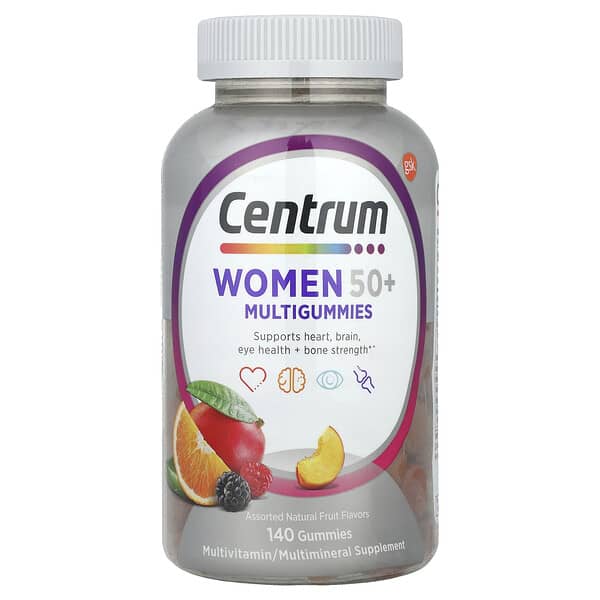

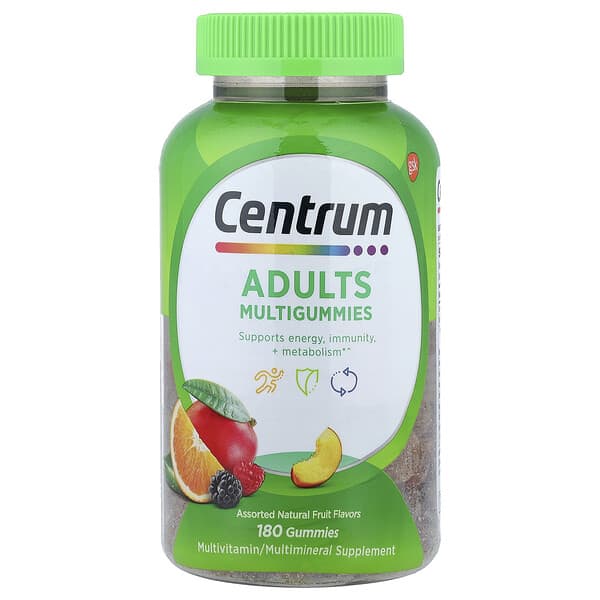
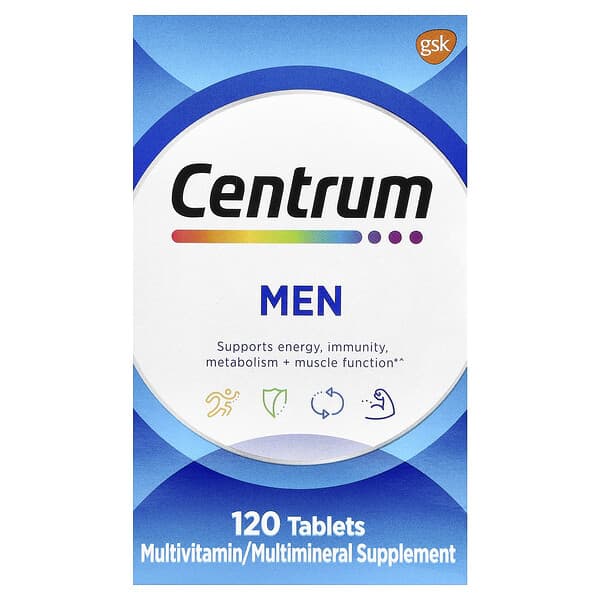
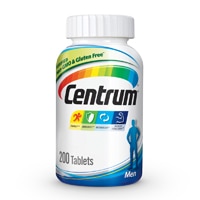
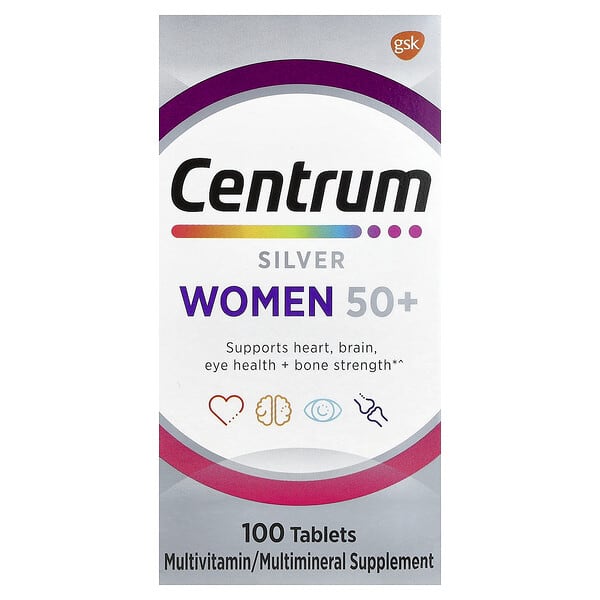
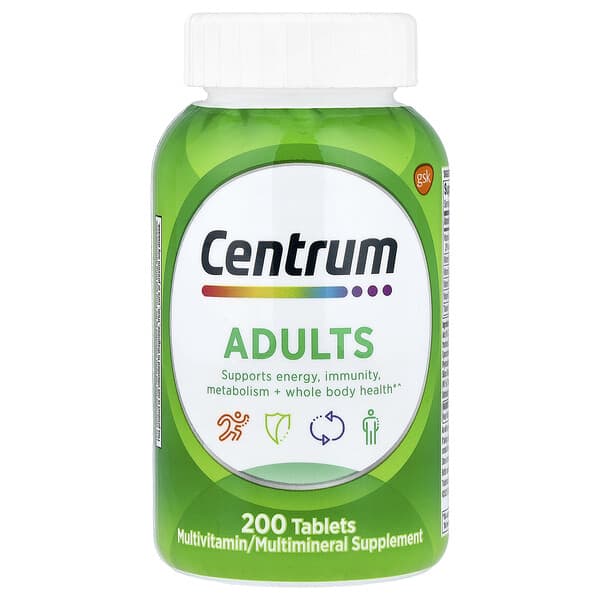
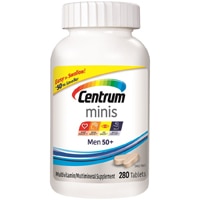
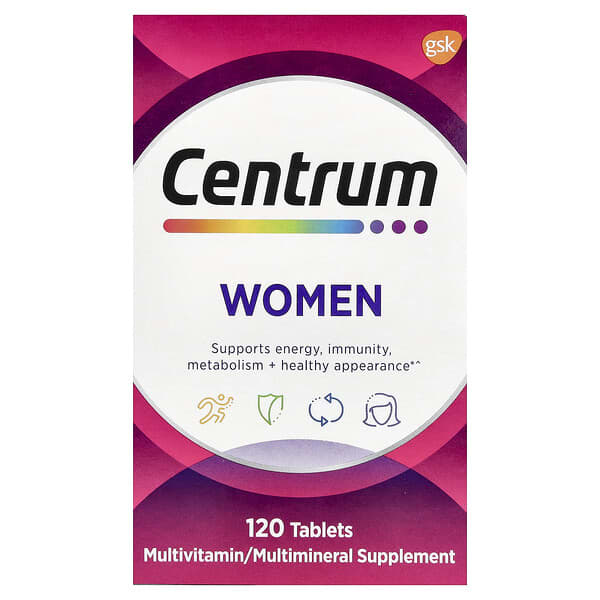
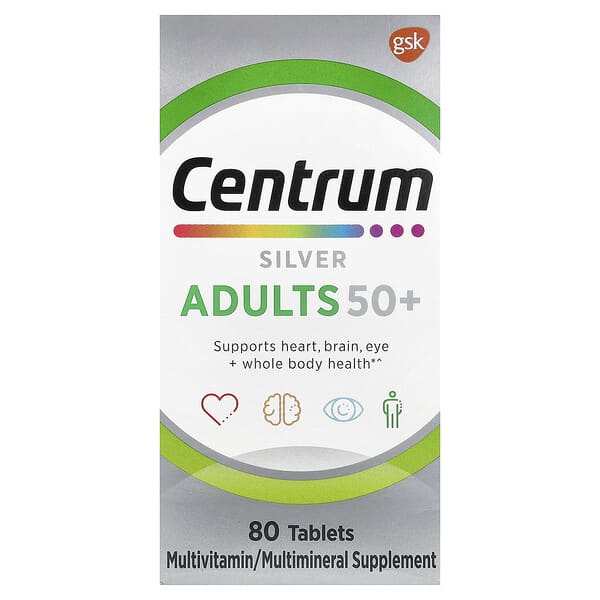
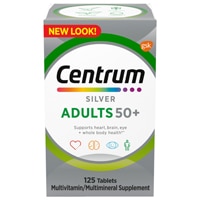
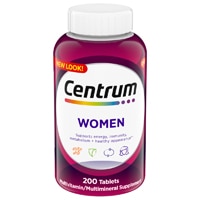
Is Ascorbic Acid (Vit. C) safe in supplements?
Yes. Ascorbic Acid (Vit. C) is rated safe for use in dietary supplements at typical levels. This rating is based on regulatory assessments, published safety research, and its long history of use in the supplement industry. It is widely accepted by major regulatory bodies including the FDA and EFSA. In GoodSupp's database, 20 products contain this ingredient. Consult your healthcare provider if you have specific concerns.
What is Ascorbic Acid (Vit. C) and why is it in my supplement?
Ascorbic acid is a form of vitamin C. It appears in 20 products in the GoodSupp database.
Is Ascorbic Acid (Vit. C) natural or synthetic?
Ascorbic Acid (Vit. C) is synthetically produced, meaning it is manufactured through chemical processes rather than directly extracted from natural sources. Synthetic ingredients are extremely common in supplements and are not inherently less safe than natural alternatives. In many cases, synthetic production allows for higher purity and more consistent quality. The FDA regulates both natural and synthetic supplement ingredients under the same safety standards. GoodSupp rates ingredients based on their actual safety data regardless of whether they're natural or synthetic.
What is vitamin c?
Vitamin C is a topic many supplement consumers ask about. In the context of dietary supplements, understanding vitamin c helps you make more informed choices about what you put in your body. The quality and form of ingredients matters significantly — two products listing the same ingredient can differ dramatically in bioavailability and effectiveness. GoodSupp analyzes over 250,000 supplement products to help consumers understand exactly what's in their supplements and whether the formulation meets quality standards.
How much vitamin c per day for a woman?
The optimal dosage depends on your individual health needs, age, sex, and current nutrient levels. Recommended daily amounts are established by health authorities but may vary from therapeutic doses used in clinical research. It's important to check the Supplement Facts label for the exact amount per serving and compare it against the % Daily Value. Some supplements provide mega-doses well above the Daily Value, which may not be necessary and in some cases could be harmful — particularly for fat-soluble vitamins (A, D, E, K) that accumulate in the body. GoodSupp's efficacy analysis evaluates whether a product's dosages align with clinically studied amounts. Always consult your healthcare provider for personalized dosage recommendations.
How much vitamin c in an orange?
The optimal dosage depends on your individual health needs, age, sex, and current nutrient levels. Recommended daily amounts are established by health authorities but may vary from therapeutic doses used in clinical research. It's important to check the Supplement Facts label for the exact amount per serving and compare it against the % Daily Value. Some supplements provide mega-doses well above the Daily Value, which may not be necessary and in some cases could be harmful — particularly for fat-soluble vitamins (A, D, E, K) that accumulate in the body. GoodSupp's efficacy analysis evaluates whether a product's dosages align with clinically studied amounts. Always consult your healthcare provider for personalized dosage recommendations.
What foods have vitamin c?
This is an important question for supplement consumers. The dietary supplement industry is largely self-regulated, which means product quality, ingredient transparency, and safety practices vary significantly between brands and products. The most reliable way to evaluate any supplement is to check for third-party testing certifications, review the full ingredient list and dosages, and research the brand's regulatory track record. GoodSupp's database of over 250,000 analyzed products provides independent quality scores, ingredient safety ratings, and brand trust reports to help you make evidence-based decisions.
Check Any Supplement's Ingredients
Scan a barcode with GoodSupp to instantly see safety ratings for every ingredient.